10. Draft Report Intangibles Qualitative Research
Executive Summary
| Project Type | Research Project |
|---|---|
| Project Scope | Significant |
Purpose of the paper
This paper provides sections of the draft report of the UKEB's Qualitative Research Project on Intangibles. The sections of the draft report included in this paper are a summary of stakeholders' views on potential improvements to IAS 38 and additional content "boxes” do be included in the report.
Summary of the Issue
The project commenced with the approval of a Project Initiation Plan (PIP) at the April 2022 UKEB meeting1. This phase of the research work is focused on stakeholders' views on the accounting for intangibles, drawing on qualitative research based on in-depth interviews.
The first half of the draft report was discussed by the Board at the October 2022 meeting. Further extracts of the draft report are incorporated in this paper (see Appendix A), and mainly summarise stakeholders' views on opportunities for improvement of IAS 38.
Additional "boxes”, stand-alone content that emphasise certain aspects because of their relevance to be incorporated into the report, have also been submitted for consideration (see Appendix B).
Decisions for the Board
The Board is not asked to make any decisions. Board members are asked if they have any comment on:
- The Advisory Group discussions?
- The sections of the draft report included in Appendix A?
- The additional Boxes 1 - 5, included in Appendix B?
- The proposed next steps?
| Recommendation |
|---|
| N/A |
Appendices
| Appendix | Content |
|---|---|
| Appendix A | [Draft] Qualitative Research Report: UK Stakeholder Views on Accounting for Intangibles |
| Appendix B | [Draft] Qualitative Research Report: UK Stakeholder Views on Accounting for Intangibles – Boxes |
Background
1In one of his first public statements the chair of the IASB, Dr Andreas Barckow, stated that "the rise of self-generated intellectual property and its non-addressal in the accounts" was one of the biggest challenges and opportunities facing the IASB. This reflected growing stakeholder concerns about the accounting for intangibles
2In April 2022, the IASB confirmed that a research project on intangible items would be one of three projects to be added to their work plan after the completion of the third agenda consultation.
3The IASB staff paper stated that:
"[an intangibles] project should aim to comprehensively review IAS 38. Although developing enhanced disclosure requirements (such as disclosures about unrecognised intangible assets) would help to address user information needs, feedback indicates that other aspects of IAS 38 also should be reviewed. For example, respondents said that IAS 38 is an old Accounting Standard in need of modernising to reflect the increasing importance of intangible assets in today's business models."
4The IASB website currently states that, “This project will aim comprehensively to review the accounting requirements for intangible assets. Initial research will seek to identify the scope of the project and how best to stage work on this topic to deliver timely improvements to IFRS Accounting Standards.” To date no specific timeline is provided.
5In early 2022, the UKEB agreed to undertake a multi-output, proactive research project that would contribute to the international debate on Intangible items. The research is to focus on how the accounting for, and reporting of, intangible items could be improved to provide investors with more useful general purpose financial statements which would help them make better informed decisions.
6The initial phase of the research is focused on understanding stakeholders' views (particularly investors) of the accounting for, and reporting of, intangibles in the UK. This involves three outputs:
- A report drawing primarily on qualitative research based on in-depth interviews with a range of stakeholders, supported by a review of key literature. The draft report is discussed in more detail in the next section of this paper.
- A report detailing an analysis of Intangibles Reporting in the UK, focused on estimating the prevalence and economic relevance of intangible items among UK reporters, an analysis of current practices among listed UK companies using IFRS standards, including capitalisation and expensing, along with associated disclosures. It will also include an analysis of whether and how current reporting practices affects economic outcomes.
- A report based on more comprehensive investor outreach, further developing the learnings from the qualitative and quantitative research. The primary research will be based on a survey of users, and potentially other outreach (such as interviews, roundtables).
Draft Qualitative Research Report: UK Stakeholder Views on Accounting for Intangibles
7The UKEB research on accounting for intangibles is explorative by design. Its aim is to provide a better understanding of UK stakeholders' perspectives on the accounting for, and reporting of, intangibles in the UK, and the potential economic outcomes arising from the existing accounting framework. The report will form the basis for later research focused on providing a solid evidence base to support any UKEB's recommendations for the IASB.
8Details of the primary focus of the intangibles research and a breakdown of interviewed stakeholders were discussed at the October 2022 UKEB meeting2.
9The report is comprised of the following sections:
- Executive summary
- Introduction
- The economics of intangible capital
- Economics literature on the topic
- Economic prevalence of intangible assets
- Stakeholders' views – summary of the results
- Main issues with IAS 38
- Suggestions on how to improve IAS 38 (See Appendix A)
- Specific issues, including materiality (See Appendix A)
- Conclusions
10A draft of the first half of the report, covering sections b), c), d)i and f)i mentioned in paragraph 9, was discussed at the UKEB's October 2022 meeting (see October 2022 Board paper 5 Appendix 13). A draft of the second half of the report is included as Appendix A to this paper. This is comprised of sections d)ii) stakeholders' suggestions of how to improve IAS 38; and d)iii) specific issues discussed by stakeholders (including materiality).
11The executive summary, introduction and conclusion will be included in the UKEB's December 2022 meeting papers, when a draft version of the entire report will be discussed.
12In addition, five “boxes”, that contain stand-alone content, that the project team would like to emphasise in the report because of its relevance, are also included for consideration. The exact location of the individual boxes within the report will be determined in time for the draft version of the entire report to be submitted in December 2022. The following boxes have been submitted as Appendix B:
- Box 1: Why is accounting for intangibles so difficult? A comparison between national and companies accounting.
- Box 2: Cryptocurrencies: economics, prevalence and accounting treatment.
- Box 3: The effect of marketing and brands on companies' performance.
- Box 4: What's wrong with IAS 38 and what can be improved: views from the UKEB's Preparers Advisory Group.
- Box 5: What's wrong with IAS 38 and what can be improved: views from the UKEB's Accounting Firms & Institutes Advisory Group.
13As this is a draft, cross-referencing needs to be finalised later (indicated with grey highlighting).
14We would like to highlight some changes in approach we have taken in response to the October Board discussion.
- To emphasise the nature of this report as a reflection of stakeholder views, quotes from interviews are being given much greater prominence. Each quote is presented as separate text and italicised to reinforce the focus on stakeholder views.
- In line with the qualitative nature of the research we are removing quantifiers such as “few”, “many”, “most” etc when discussing views heard from stakeholders. We have still identified where a view was only heard from a single stakeholder, or where a view was heard from an overwhelming majority of stakeholders. This may not yet be fully reflected in the text, and may introduce some awkwardness to some sentences, we expect this to be addressed in the final draft presented in December.
- We are trying to better distinguish types of users who made certain statements. We are still in the process of discussing the appropriate identifier to use for some stakeholders. This will be finalised in time for the final report presented in January.
Draft qualitative research report: discussions with stakeholders
15During the week beginning 31 October 2022, the draft sections discussed with the Board at the October 2022 meeting were considered by two of the Board's advisory groups: the Preparers Advisory Group (PAG), and the Accounting Firms & Institutes Advisory Group (AFIAG).
16We received very positive feedback on the draft report presented and the research in general. Both groups provided input on current issues with IAS 38 and opportunities for improvement.
17These views will be incorporated as appropriate in the December draft of the report. A summary of the discussion with the Preparers Advisory Group is included in Box 4 of Appendix B. A summary of the discussion with the Accounting Firms and Institutes Advisory Group is included in Box 5 of Appendix B.
| Questions for the Board |
|---|
| 1. Do Board members have any comments on the Advisory Group discussions? |
| 2. Do Board members have any comments on the sections of the draft report included in Appendix A? |
| 3. Do Board members have any comments on Boxes 1 - 5, included in Appendix B? |
| 4. Do Board members have any comments or suggestions on the overall tone and style of the report? |
Next Steps
18With regard to the Quantitative Research Report, we expect to submit to the Board:
- A draft of the entire report at the UKEB December 2022 meeting.
- An outline of planned outreach to disseminate the findings of the report at the UKEB December 2022 meeting.
- A final report incorporating all the Board's comments at the UKEB January 2023 meeting.
19The Secretariat is drafting a plan on how to engage with external stakeholders to disseminate the report findings during 2023. A draft plan will be presented to the Board at the December 2022 meeting. Ahead of that, we are actively working to secure engagements. In particular, the Secretariat:
- Will discuss the report findings at the Academic Advisory Group meeting in April.
- Is engaging with the following organisations/bodies to organise presentation of the findings:
- Other international standard setters and standard setting bodies (IASB, IFASS, CFSS, ASAF).
- User groups (CFA, the IA, CRUF etc).
- Professional accounting bodies (ACCA, ICAEW, CFA).
- Academics.
- The Office for National Statistics.
20The research team is also participating in a roundtable organised by ACCA on 24 November 2022 focusing on a paper the ACCA is publishing on accounting for research and development.
21The Secretariat plan to bring regular updates on the work being undertaken for both the quantitative analysis report and the user survey from early 2024.
| Questions for the Board |
|---|
| 5. Do Board members have any comments on the proposed next steps? |
Appendix A: [Draft] Qualitative Research Report: UK Stakeholder Views on Accounting for Intangibles
A1For drafts of the following opening sections of the report see Paper 54 of UKEB October 2022 Board papers:
- Introduction
- The economics of intangible capital
- Economics literature on the topic
- Economic prevalence of intangible assets
- Stakeholders' views – summary of the results
- Main issues with IAS 38
A2The draft sections included below will follow on from those earlier sections in the final report (see also paragraph 9 of the cover paper).
Opportunities for, and challenges to, improvement
“We would argue that better accounting would provide better information. Consistency and clarity will help.” (Investor)
A3This section outlines a range of suggestions to improve the accounting for intangible items raised by the stakeholders interviewed. Some of the challenges they raised related to those suggestions are also considered. As previously noted, this report simply outlines the perspectives of various UK stakeholders; it does not provide the UKEB's views on potential solutions for accounting for intangibles.
A4Given the problems with accounting for intangibles flagged by stakeholders (see Section XX), some clearly have high hopes that the IASB's project will result in improvements. As one preparer noted:
“the IASB needs to be ambitious with the project. This includes both recognition and measurement.”5 (Preparer)
A5The research did not result in a consensus on the exact improvements expected by stakeholders; however, some themes were clearly identified. These can be summarised as:
- Accrual accounting
- Removing differentiation between tangible and intangible items
- Separate standards for different classes of intangibles
- Enhanced Recognition
- Measurement
- Measurement at initial recognition
- Subsequent measurement - cost model
- Subsequent measurement - fair value model
- Enhanced Disclosure
- More Granular Expenses
- Other Disclosures
- Materiality Matters
Accrual Accounting
A6An important cornerstone of accounting is that accrual accounting provides better information to support decision making by users6. Accrual accounting tells the story of the transaction and the flows arising from it. It records the cash flow (expenditure); capitalising that expenditure provides a record of what has been spent; amortisation gives an indication of how much value has been used up and the period over which the entity expects to continue to obtain benefits; and impairment can provide information about changes in expectations.
A7This fundamental concept and its application to intangibles was reflected in many of the stakeholder interviews, even in instances where they did not specifically use the term "accrual accounting".
A8At a basic level, stakeholders indicated that information about intangibles is important, not only because they are becoming increasingly valuable but also because they are key drivers underpinning future profits and business value (see paragraphs XX-XX and XX-XX), Enhancing recognition of intangibles, through capitalisation could be one way to provide useful information:
"My plea for intangibles would be to require management to account for what is happening internally, we should be capturing internal activities. Core spending on intangibles should capitalised. An alternative would be greater detail on the expenditure.” (Investor)
A9Another user commented in the context of research and development that:
“When assessing a company, its Research and Development track record is important. If they capitalise on the balance sheet 10 billion and spend 40 billion, then you can assess better their return if the intention is for the accounting to reflect the nature of the business." (Analyst)
A10This was also reflected by an auditor who noted that:
“If you capitalise, at least you get information on [project] abandonment” (Auditor)
A11Stakeholders also commented on the general relevance of accrual accounting in the context of intangibles, while also pointing out related difficulties:
“An accrual accounting approach to intangibles would have greater predictive value. But a lot of it will ultimately be capitalised salaries which are very 'grey" (Investor)
Removing differentiation between tangible and intangible items
A12One approach to addressing intangibles suggested by a stakeholder was simply to abandon the concept of tangibles and intangibles.
"Intangibles is not a helpful distinction. You do not need to develop separate standards for tangible and intangible items” (former Standard Setter)7.
A13Rather than developing different standards that are premised on the intangibility or otherwise of items, the accounting would focus on the nature of the item, and its use within the business, be that as inventory, or a core element of ongoing operations (like PPE) or as a speculative investment. This would effectively mean applying the existing accrual accounting principles that apply to tangible assets.
A14This view is however in contrast to the earlier discussion of the special characteristics of intangibles (see paragraphs XX-XX), which suggests there is something different about intangibles that is relevant to their accounting. It is also clear that investors consider intangible items as a stand-alone category, because of those very same core characteristics outlined in [the economics section], which also make the accounting inherently more difficult8.
Separate standards for different classes of intangibles
A15Another potential solution a stakeholder was the development of specific standards for specific classes of intangibles. For example, as one preparer suggested:
“Key types of intangibles around which standards (or requirements) could be developed are: (i) Relationship Intangibles (including workforce); (ii) Technology related intangibles; (iii) Artistic Intangibles; (iv) Brand/trademark intangibles; and (v) Workforce and human capital.” (Preparer)9
A16This approach could risk reinforcing some of the concerns raised about current accounting for intangible items in the earlier sections. Developing standards (or at least separate accounting) for categories of intangibles (no matter how broad) carries with it the risk that specific items (or classes of items) may become irrelevant as the economy and business models develop and new types of intangibles rise to prominence (see paragraphs XX-XX). In addition, a classification based on type can potentially introduce inconsistencies between relatively similar types of assets (research and development under IAS 38 versus exploration and evaluation of mineral resources under IFRS 6).
A17These two views, abandoning any concept of differential accounting for intangibles and developing a range of standards for specific types of intangibles, represented the ends of a continuum of possible solutions proposals suggested by stakeholders. Most stakeholders interviewed tended to be more focussed on the broad principles that could be developed to enhance the accounting for intangibles generally.
Enhanced recognition
“There is value in having the information about intangibles in the balance sheet.” (User)
“Now is the time to think about how to recognise and measure [intangibles]. Investors know this issue. They need more information.” (Academic)
A18The application of accrual accounting requires addressing when an intangible item should be recognised as an asset, and then how it should be measured, initially and subsequently.
A19Stakeholders wanted a greater range of intangible items to be recognised and capitalised. The types of intangibles mentioned most frequently as candidates for recognition on the balance sheet were:
- the research component of R&D (in addition to development which can be recognised under IAS 38),
- training,
- certain marketing expenditure (that contribute to developing brand), and
- new intangibles such as databases and AI algorithms (less frequently mentioned when compared with others in this list).
A20Recognition of such items, which currently are generally prohibited from companies' balance sheets (see paragraphs XX-XX) but are clearly strategic to companies' future performance (see paragraphs XX-XX), could provide better information to users of the financial statements.
A21Stakeholders suggested that users are interested in this information and as noted by one they:
"already get the data from alternative sources. It would be better to get it from inside the company. This enhances reliability.” (Auditor).
A22Stakeholders also noted that capitalisation would lead to increased attention by auditors and others, such as regulators, which is also crucial for efficient capital allocation:
"Once you put a number on the balance sheet it forces disclosure and commentary. It will get audited. It will get attention from regulators.” (Auditor).
A23As discussed above (see paragraphs XX-XX), stakeholders identified the criteria for recognition under IAS 38 as problematic. They want a simpler approach.
“As for the recognition aspect, at the moment the standard has many criteria for recognition. Why not just focus on future economic benefit? Users think the criteria are not clear. We don't understand how they can be applied consistently. Reduce the criteria or make them clearer.” (Academic)
A24A similar view is reflected in the academic literature. For example, a report published by ACCA and Deloitte in 2019 looking at the capitalisation of research and development expenditure stated:
"In relation to IAS 38, relaxing the criteria for capitalisation by reducing their number could be the way forward. This may help improve the value-relevance of financial information by more fully matching revenues with costs in the income statement through capitalising and amortising expense on value-creating assets such as R&D. Further, a reduction or simplification of the capitalisation criteria could also result in giving companies less room for exercising earnings management and increasing auditors' ability to assure any capitalised amounts."11
A25Stakeholders argued that the first step to enhancing recognition would be to step back from the specific requirements in IAS 38 and instead take an approach more closely aligned with the current conceptual framework (see paragraphs XX-XX).10
A26A specific example was provided by a preparer who commented on training delivered to a workforce to enhance their productivity.
"An entity controls the collective workforce, if not any given individual. This information would be useful to capture and the conceptual framework seems to allow it.” (Preparer)
A27A similar point was made by an auditor:
“Human capital resides in the workforce not the individual. It may a budgetary expense, but if thought of as an investment this would change the thinking about this spending. Investments in intangibles makes the employee more efficient. Employees can enhance the value of an intangible.” (Auditor)
A28A regulator noted that this approach to employee training would be consistent with the approach taken to customer relationships,
“One of the arguments for not capitalising training costs is that your staff might leave, you don't control them, but equally our customers aren't controlled, yet you recognise customer relations and lists in a business combination.” (Regulator).
A29This resonates with a preparer's comment that:
“Preparers have got used to the idea of including purchased customer lists in the balance sheet.” (Preparer)
A30In addition to training, advertising and marketing were also mentioned by stakeholders as expenditures on intangible items that could potentially be recognised as assets under the current Conceptual Framework.
“We could expand the recognition criteria to consider training and advertising.” (Academic).
A31An analyst noted that
“Design and product design are key intangibles, along with market research and branding and business process engineering. These are key economic competencies that are not captured [by IAS 38].” (Analyst)
A32It should be noted that other stakeholders expressed explicit concerns:
“It becomes difficult when we are talking about brand recognition. There is not a direct link between marketing and a sale, so, sure you could add the marketing, but it would complicate the process.” (Preparer).
“I would not support capitalisation of marketing or training as there is not real control.” (Investor)
A33Intellectual property and research also came up in stakeholder interviews:
“IP rights are potentially able to be recognised on the balance sheet. Registered IP rights are easier to find online now. Users can do their own research and from that then do their own appraisal. Trademarks are also well understood. There are also collective awards (marks) especially green awards.” (Academic)
“I think pharma would like to capitalise more R&D. Top employees have an intangible value." (Analyst)
A34Stakeholders from a variety of backgrounds indicated that enhanced recognition of intangibles should be considered by the IASB. Stakeholders believe an approach consistent with the current conceptual framework will potentially capture more internally generated intangibles such as training, marketing, and intellectual property.
A35However, this approach is not without its potential risks. For example, users of financial statements raised concerns that enhancing recognition and measurement will introduce significantly more judgment into the accounting process, on whether there is an asset to recognise and its quantum.
“Useability of financial statements is impacted by uncertainties. If the financial accounting is not clear. You have to go down into the weeds. (Investor)
A36A preparer also highlighted a concern that greater use of estimates leads to great legal risk:
“Companies are concerned about litigation threat. Intangibles come with greater requirements to make estimates.” (Preparer)
A37These concerns are consistent with a regulator view that estimates are a key matter when it came to accounting for intangibles:
“while currently intangibles is not a highly recurrent area of concern, when questions do arise they are usually about the judgements and estimates that have been made, specifically impairment, valuation and useful life” (Regulator).
A38These are the very judgements that would become increasingly important if an enhanced recognition approach was incorporated in a future standard.
A39A resulting reduction in comparability of information presented was also raised as a concern:
“Entities will start to come up with weird categories of intangibles if left to themselves which will harm comparability. There is weird aggregation of intangibles already.” (Academic)
A40A similar observation was made by a preparer who noted:
“Internally generated intangibles will introduce a lot of variability in the financial statements. This would be against the consistency approach.” (Preparer)
A41Another key concern was that capitalising intangibles would make the financial statements harder to understand. For example, a preparer said:
“Each initiative in financial accounting seems to make things more complex. More detail may not be helpful, but we need to understand what users want.” (Preparer)
A42But users acknowledge there is a balance to be struck:
“Intangibles are important. There is a trade-off between understanding the reporting and accurately reflecting the underlying assets. The current accounting standards verge towards reliability.” (Investor)
Measurement
“Accountants often get too caught up on the best measurement.” (Investor)
A43Stakeholders expressed mixed views as to what they considered to be the best model for subsequent measurement of intangibles, particularly under an enhanced recognition approach.
A44Overwhelmingly, a cost-based measurement model was favoured for initial recognition of internally generated intangible assets. However, in the right circumstances stakeholders considered fair value could provide more relevant information.
Measurement at recognition
A45Stakeholders viewed capitalisation of cost as an important step in addressing the issues of inconsistencies between the initial recognition of internally generated intangibles and other assets (including acquired intangibles, especially in a business combination
A46This is consistent with the requirements in IAS 38 for purchased intangibles and those limited numbers of internally generated intangible assets that can be recognised. No stakeholders raised specific concerns about the measurement approach under IAS 38 to measuring these items.
A47An academic noted that their own research with users of financial statements supported this view:
“Our discussions with the users show they are happy to have these items on the balance sheet. But they want to know how the value has been determined. They do like capitalised R&D they don't want a US approach12. In the end, users feel they can only rely on cash flow because they don't trust the current mixed model. But they are interested in the useful life, they are interested in impairment. Balance sheet capitalisation does give useful signals.”
Subsequent measurement – cost model
A48An important element of the cost model identified by stakeholders was that it would incorporate amortisation (when appropriate) together with impairment testing.
A49Unsurprisingly, it emerged from our interviews that support for amortisation (as opposed to an impairment-only model) depends on the category of intangible assets under consideration. This can be summarised by the view of an investor who saw intangibles as either:
“wasting (such as patents) and organically replaced (brand)” (Investor).
A50Stakeholders noted that organically replaced assets could have an indefinite useful life if they are "maintained".
A51This complicates the accounting though as it means that while:
“putting things on the balance sheet could be a good solution...[companies] need to split out investment and maintenance.” (Auditor).
A52This view was generally shared by users:
“At the end of the day cash flow is an ultimate truth, but better insights into the nature of the operating expenditure. Such as maintenance vs investment, would be interesting.” (Analyst).
“Some training is more like maintenance, make management explain why they are doing something.” (Investor).
“In many ways the value of the brand is captured in the gross margin of the product. Organic growth is hard to measure, how do you separate Marketing [enhancing] versus advertising [maintenance].” (Investor)
A53If a cost model for subsequent measurement were to be developed the hurdle of separating maintenance and investment costs must be taken into account in any future solutions.
A54However, preparers of financial statements were the main stakeholders who raised most significant concerns about the cost model. One preparer argued that early-stage research by companies should not be capitalised because:
"it is too remote from a commercial product. What is the unit of account? Assigning costs to specific products can be very difficult. Companies and auditors would argue about any allocation as it is subjective.” (Preparer)
A55An auditor's related view was:
“The thing that is difficult is the relationship between input and output. For tangible items there is generally a relationship between cost and value, for intangibles this relationship breaks down.” (Auditor)
A56Another preparer was concerned that users may not fully understand the process through which intangibles are capitalised on the financial statements:
“Preparers can see the philosophical merits of capitalisation but worry that there are few analysts who spend enough time to understand the process.” (Preparer).
A57This is consistent with an analyst's view that:
“we could see the value of capitalisation but we also want consistency. Companies should not have too much subjectivity.”
A58Some users were concerned about the understandability of financial statements if intangibles were more widely capitalised:
“Capitalisation of intangibles would make accounts more difficult to understand. There is already material information about intangibles that is discoverable by reading the accounts. And putting the time in to read the accounts gives you an edge." (Investor)
A59An investor raised a similar concern:
“Any measure that uses estimates is open to interpretation, especially if the estimates are not disclosed. This makes life very confusing... Expensing the R&D does not necessarily make it harder to understand the company.”
A60A preparer noted that:
“Some preparers are concerned that capitalisation of Intangibles, particularly at an early stage, is not prudent” (Preparer)
A61An auditor suggested that users of financial statements have concerns that management would over-capitalise intangibles:
“Investors seem to be the most sceptical. They tell me they are not interested in the valuation given by management. They seem concerned about management's estimates. They seem concerned that management will massively over capitalise. And yes, there could be problems, but you can mitigate this.” (Auditor)
A62This is perhaps not wholly true, as one investor noted when asked about this:
“I think users do trust management (at least I am an optimist) but there are cynics”. (Investor)
A63Suggestions to enhance recognition and measurement of intangibles is not new. But, neither are the concerns with taking this approach. In 1997, a paper by Nixon titled "The accounting treatment of research and development expenditure - View of UK company accountants”13 stated that:
"The reasons advanced for the opposition (to capitalization) are that deferral, (a) requires subjective judgements, (b) increases the scope for manipulation of reported numbers, and (c) is inconsistent with shortening product life cycle times and the increasing frequency of discontinuities that render obsolete extant technologies, products and processes. The strong preference for immediate write-off augurs badly for compliance in the UK with the requirement of IAS 9 (revised 1992) that R&D expenditure should be capitalized if it meets certain criteria."
Subsequent Measurement - Fair Value
A64An alternative approach to subsequent measurement of intangibles would be to use a fair value model. Stakeholders mentioned fair value measurement as a possibility but unsurprisingly they expressed a range of views, with no clear consensus emerging. Fair value measurement in principle would help address some of issues that are specific to intangibles, eg. the potential disconnect between cost and expected economic benefit, the potential for significant changes in value over time, etc. In practice, however, fair value measurement for assets that are not regularly traded in an organised market tend to be generally complex and costly, as it requires the use of valuation models. In addition, a fair value approach has the potential to add volatility to many companies' balance sheets.
Balancing relevance and reliability
A65Stakeholders noted that using a fair value model for subsequent measurement is about balancing 'relevance and reliability', a point that is also noted in the Conceptual Framework (Chapter 6). Striking this balance is particularly important (and perhaps trickier) for intangible assets, given their inherent characteristics and the measurement difficulties linked to them (see paragraphs XX-XX).
“There is a question of cost/benefit when it comes to using fair value. But accountants should be comfortable with fair value, we use it in a number of standards where it is necessary to make estimates. Defined Benefits and Share Based Payments for example. We should look to the valuers to come up with consistent models for valuation."
A66Preparers particularly face a cost-benefit trade-off, with a fair value model likely to be more costly to implement but also potentially more beneficial for investor decision making14. As one preparer noted
“There is a huge trade-off between relevance and reliability. Revaluing intangibles or writing them down can create valuation advantages.” (Academic)
A67Preparers and auditors appear to be comfortable that it would be possible to find consistent and reliable valuation methods. For example, one auditor noted:
“The valuation people think that you can value intangibles. Scenario valuation methodology is a common approach eg. Data - is there a monetisation stream? So, we could put cost on the books, and disclose estimates of fair value. We also need to acknowledge the value drivers” (Auditor)
A68A counter view is offered by Stephen Penman in a 2009 paper titled "Accounting for Intangible Assets: There is Also an Income Statement":
“A conjectured value of a conjectured asset that can never be validated with a market price is inherently speculative; value is in the mind of the beholder. This was so for the ‘intangible assets' conjectured in the 1990s bubble for which there was no subsequent manifestation. Accounting runs into trouble when speculative, conjectured values enter the financial statements, more so when the asset's existence itself is conjectural." (Penman, 2009, p. 359)
A69An analyst raised a similar concern:
“For a lot of companies, intangible assets are the key assets, coke has the brand of Coca-Cola for example. The problem is that no one knows the value, it is totally subjective and very hard to know what is right. This means it is not useful. Too easy to disagree with the value.” (Analyst)
A70A stakeholder noted that valuation issues arising from a lack of market data may become less problematic as markets are developing that could support the use of fair value measurement for some intangibles.
"Intangibles are seldom traded in markets. But what is starting to happen now, especially in the tech sector, people are buying businesses to get the IP or the employees. Transactions for intangibles are increasing and we are starting to get more market data” (Auditor)
Volatility in the financial statements
A71While stakeholders noted that techniques for estimating fair value exist and new marketplaces would make fair value measurement easier, they were concerned that measuring intangibles at fair value would lead to higher volatility in the financial statements. In particular, preparers were concerned that users of financial statements would over-react to the volatility that arising from use of fair value measurement. A preparer argued that:
“Users will need to get comfortable with increased fluctuations in the value of balance sheets, and the consequential impact on P&L.” (Preparer)
A72Not all stakeholders considered added volatility to be negative. One academic stated that:
“Economic volatility is a reality when it comes to intangibles, this should be reflected in the financial statements.” (Academic).
Property rights
A73Some stakeholders suggested that a fair value model is more appropriate in the presence of well-defined property rights:
“There are a range of intangibles that embody certain levels of 'right'. Patents come with high level of protection and certainty. This makes fair value a clearer option. Other intangibles, like brand, have lower rights. A cost model would be more appropriate here.” (Auditor)
A74A preparer noted another issue to consider:
“Understanding rights and obligations is a key factor. For crypto-assets [and intangibles more generally] the terms and conditions are very variable. And understanding the contracts and terms is key."
A75By contrast, an academic argued that while rights were important it was not a question of whether fair value should be used, but rather how it is used:
“If you use a valuation model this takes account of the strength of the rights.”15 (Academic)
Enhanced Disclosures
“At the very least better expense recognition requirements that are more granular would support better stewardship and inform expectations about future growth.” (Preparer)
A76Some stakeholders considered enhanced disclosure an important adjunct to enhanced recognition and measurement. However, others considered enhanced disclosures on their own as sufficient improvement to the accounting for intangibles.
A77Those latter stakeholders suggested that even if a new standard on intangible items doesn't lead to greater recognition and measurement of intangibles, there is still significant scope for enhancing disclosures. In particular, stakeholders would like to see more granular information about intangible expenditures (see paragraphs XX-XX). Some stakeholders also suggested including other types of disclosures, such as drivers of value linked to intangibles, and their related risks. These are discussed in paragraphs XX-XX.
A78Users argued most strongly for improving disclosures, setting these out as their primary recommendation with regards to accounting for intangibles.
A79It may be that enhancing disclosures is the most straight forward first step to be made to improve the accounting for intangible items. As one academic noted:
"Obviously we need to consider recognition and measurement, but these are difficult. Disclosure is less ‘unpromising”". (Academic)
More Granular Expenses
A80Stakeholders noted that there is significant scope for increasing the disclosure about the expenses related to intangibles in the income statement. Many stakeholders would like more granular disclosure about the types and nature of expenditure, including but not limited to specific information on marketing, IT, training, and research included in the notes to the financial statements.
A81The view that more granular disclosures would improve the accounting for intangibles was raised by virtually all users interviewed, for example:
“We spend a lot of time trying to figure out the intangible spend... Enhanced disclosure on expenses would be useful, like a breakdown of R&D and clear identification of marketing expenses.” (Analyst)
“Sell-side don't really care about what is in the balance sheet. It is retrospective, the value comes from the future. We just want better break downs of [expense] information to help us extrapolate.” (Analyst)
“Forecasting cashflow is easier when we understand marketing spend.” (Investor)
A82But this view wasn't just limited to users of financial information. Stakeholders from a variety of backgrounds shared similar views:
"Maybe disaggregation of the P&L will help”. (Auditor)
“I would rather see expenditure broken out more clearly.” (Academic)
A83Users noted that they would like to be able to disaggregate information on expenditure that enhances a company's productive potential, from that purely maintaining it:
“I would like to see more information on the split between investment and maintenance. Then more information on the nature of the investment, then I can make more accurate estimates on useful life etc." (Analyst)
“We have seen research that splits [capital expenditure] and [operating expenditure] for intangibles. This is useful information in the tech field. But capitalisation could create more noise than signal.” (Analyst)
A84Similar views can be found in the academic literature16. For example, Nixon's paper (previously referenced) notes that preparers believe:
“disclosure of information is the key factor determining the value that the capital markets attribute to a company's R&D expenditure rather than its treatment; the tension between the prudence versus accruals concepts that preoccupy the accounting standard-setters is, in the view of respondents to this survey, of little relevance"
A85Some stakeholders' (in particular users') preference for only enhancing the granularity of expenses disclosures was due to their preference for assessing a company via the cash generated and related profit and loss information. For example, one credit analyst said that
“On a day-to-day basis, intangibles aren't a huge issue for a credit analyst, because we are focussed on earnings and how it translates into cash flow. Our focus is on EBITDA and cash flow.” (Credit Analyst)
A86Another user noted that:
"I am not sure the balance sheet is as useful as the IASB thinks it is. Financial Markets are focussed on income if you look at the models. Impairments are too slow. And the drivers are too slow.” (Investor).
A87This focus on expenditure reflects a view we heard from an auditor who suggested:
"You are never going to get the balance sheet right, but you might get the income statement right" (Auditor).
Other disclosures
"There will always be limits on how much information the financial statements can convey to help investors assess future cash flows. Although the accounting system relies on assumptions about the future, it is limited to capturing transactions and events that have taken place. Management has information beyond that in the financial accounting system that can help investors estimate future cash flows." (Barker et al. 2020, pg. 27)
A88Stakeholders wanted information in the notes that enabled users understand the relationship between intangibles, whether capitalised or expensed, and a company's business model. Further, they also considered better information on the company's expectations as to whether it would maintain or enhance future cash flows as useful. They noted that to be able to draw further conclusions on such issues, enhanced disclosures around intangibles are needed (this was generally in addition to more granular expenses, discussed in paragraphs XX-XX).
A89The need for enhanced disclosures was shared by all the different types stakeholder interviewed, for example:
- A preparer indicated that disclosures might offer a better way for companies to communicate about intangibles:
"the key issue around intangibles is understanding the reporting entity and the story it is telling, rather than running the accounts through a sieve. One size doesn't fit all when it comes to the accounting. Better corporate reporting needs to focus on the narrative, rather than arguing so much about the balance sheet.” (Preparer)- An auditor wanted to see:
“more non-financial measures into the disclosure.” (Auditor)- An investor said:
“disclosure is incredibly useful when it gives you information on non-cash items. It is also important where there is subjectiveness to value.” (Investor)- A credit analyst observed that:
“For intangibles we are looking at other information as the number itself is not particularly useful. There are always qualitative factors that go into any rating. There will also be a governance assessment. And none of the can be a number in the balance sheet. The more complex the business the more information you need, a balance sheet is never particularly useful on its own". (Credit Analyst)- While another user thought that:
“The real opportunity is not necessarily putting in a number in the balance sheet, but other indicators could be useful that support the business model. Every genuine investor would welcome better insights into drivers." (User)A90A specific type of disclosure raised by stakeholders focussed on linking intangibles to related Key Performance Indicators (KPIs) through the notes:
“Key drivers would be useful to disclose. For example, employee churn by division, or customer satisfaction (net promoter score).” (Investor)
“Identifying the KPIs the drive value and discussing them will be key.” (User)
"[Through the notes] you can start to create linkages between management objectives, intangibles (especially IP) and how this drives sustainability”. (Academic)
A91An academic noted that:
“internal management reports should be able to tie KPI to spending”. (Academic)
A92If more intangibles were recognised on the balance sheet including information on KPI's may also help address users and auditors concerns about over-capitalisation. For example, management could link useful life as well as impairments directly to the drivers of value intangibles are expected to provide. As one investor noted:
“We should be tracking the relationship between expectations about outcomes” (Investor)
A93Stakeholders also considered information on these key drivers as central to linking financial reporting with future ESG reporting, and that these relationships would provide particularly useful information:
“ESG is value relevant, but the linkages to value are hard to establish. Intangibles are a good scorecard for the “S” in ESG. This is related to human capital and brand. What is the value driver for human capital? Perhaps turnover or [employee] satisfaction". (Auditor)
A94Stakeholders expressed the need for enhanced disclosure on risks associated with future cash flows expected to be generated by capitalised intangibles:
“Enhanced disclosure on risks would be useful” (Standard Setter)
A95This point was raised in particular with respect to companies and industries that capitalise sizable amounts of R&D.
A96Finally, stakeholders noted that disclosure in the notes to the financial statements (as opposed to, say, the management commentary or the strategic report) ensures that this information is audited:
“The advantage of including this information in the financial statements (rather than management commentary) is that it is verified (audited) and it is relevant to the financial performance and position of the entity”. (Standard Setter)
“Regulation and auditing are key as is timeliness. Anything disclosed should be very clearly tied to the financial statements. The notes should really clarify why things are being expended and did it meet the requirements to be capitalised.” (User)
"If something is on the books for zero, it is immaterial, it is not audited, it is not regulated, it is not discussed by analysts. Analysts have to gather data from outside the financial statements ecosystem. To the extent that analysts have questions they have to look to external sources. Investments in intangibles must be expensed. This does not reflect the economics of the situation.” (Auditor)
“If the information is there it allows you to ask better questions you get better outcomes.” (Auditor)
“Good disclosure is very useful particularly when it is comparative (horizontally and vertically). If you are forced to disclose something in the financial statements it gets more attention. The face of the financial statements does provide a stronger signal. Notes can be hidden.” (Investor)
Materiality matters
“Users are not getting the useful information they want. Not enough relevant information, too much irrelevant information. You need to apply materiality better. Help us by focussing on what you think is important” (Investor)
A97The issue of materiality was raised in many interviews. Almost every stakeholder interviewed wanted increased granularity of disclosure. It was observed that intangibles are important drivers of value, but carry increased risk and uncertainty, and so greater disclosure and finer detail would be required to help users of financial statements assess their impact on a company.
“There is a tension between granularity and materiality. Intangibles are important so would expect a higher level of granularity in the disclosures”. (Standard Setter)
“Users don't want to be overwhelmed with irrelevant information they want to see the core information through the eyes of management”. (Investor)
A98Stakeholders were asked how this could be balanced with concerns about information overload. Most felt that for intangibles qualitative factors are more important than quantitative ones. These qualitative factors are likely to be derived from the relationship between the intangible item and its importance to the business model.
A99A preparer felt that the IASB might need to provide more guidance on intangibles and materiality
“Materiality is just a concept. The standard could specify disclosures that are considered material by nature. The important issue is identifying what users think is important" (Preparer)
A100An auditor commented that the work underway by the ISSB on materiality might be more relevant to intangibles:
“Regarding materiality: there is extensive work on thinking about materiality and ESG is likely to be the most relevant to these discussions. The ISSB standards talk constantly about enterprise value. This makes materiality a forward-looking estimate. The profession is going to have to figure out how to manage materiality assessments. This will translate really well to intangibles.” (Auditor)
A101An investor felt that the issue of materiality was a problem of application rather than definition:
"Materiality isn't just a quantitative measure. The IASB definition is good, but people don't apply it right. The application of materiality is a big part of the problem. They leave it up to the auditors, rather that management taking the lead”. (Investor)
A102Intangibles by their nature raise a particular problem when considering materiality, items that may involve less cost can have a significant impact on value. As one academic stated:
“As for materiality, a company rebrand could be quite material and the impact of intangibles is outsized, data protection training is an example of something that could have an outsized impact.” (Academic)
A103In this context some stakeholders expressed concerns about commercial sensitivity, but again stakeholders identified materiality as the overriding factor. As one user noted:
“There is always a trade-off between efficient allocation of capital and commercial sensitivity. Materiality is the key but is not done well currently.”
A104When asked about the areas of concern about the current accounting for intangibles a regulator noted that while currently intangibles is not a highly recurrent area of concern, when questions do arise they can include
“Failure to provide material information on intangibles” (Regulator)
A105When it comes to intangibles and materiality it is perhaps best summarised by an investor who said of materiality:
“Less is not better, more is not better, better is better”
Appendix B Draft Qualitative Research Report: UK Stakeholder Views on Accounting for Intangibles – boxes
The boxes presented below will be inserted into the final report at appropriate junctures
Box 1: Why is accounting for intangibles so difficult? A comparison between national and companies accounting
B1As noted in paragraphs XX-XX, intangibles are key drivers of the knowledge economy. From a macroeconomic (economy-wide) perspective, accounting for intangible assets is important to estimate national production, economic growth, and productivity. From a microeconomic (company-specific) perspective, it is important to give a faithful representation of a company's performance and financial position, thereby facilitating the efficient allocation of capital.
B2Despite their importance, relatively limited number of intangibles are currently recognised on both companies' and national accounts. While the two accounting systems have different purposes and follow different frameworks, it has emerged from interviews with stakeholders and review of academic papers on the topic that the practical challenges faced when accounting for intangible assets are similar for both frameworks. The main body of the report focuses on the challenges that prevent more widespread accounting for intangible assets within the IFRS framework. The challenges that prevent national statisticians from reporting intangibles at the macroeconomic level can be attributed to two different issues:
- The international framework for national accounting, the System of National Accounts, has long withstood the introduction of intangibles for various reasons, though the scientific relevance of the framework developed by Corrado, Hulten and Sichel (2005, 2009) has managed to lower some of the resistance (see paragraphs XX-XX). The process to introduce new accounting items to that framework is lengthy and the process requires unanimous consensus at a United Nations level, making progress very slow.
- National accounts and statistics on intangibles are typically estimated based on surveys of individual companies. This point is directly relevant for this report: as national statistics use underlying company-level data, the fact that intangibles are not recognised at company level also makes it tricky to estimate them for the purposes of responding to national statistics surveys.
B3Research suggests that companies face difficulties similar to the ones raised by stakeholders about IAS 38. Specifically:
- Challenge 1: Capitalising vs expensing- As internally generated intangibles are produced in the course of business, it is not always easy for companies to separately identify the portion of intangibles related to the current period and that related to the future, and so to be capitalised, for the purpose of filling-in survey responses. In addition, the allocation of the appropriate amount of spending is further complicated when the assets are produced in-house (as is the case with many intangibles) over several years, with no easily accessible prices. This often leads to underreporting and inconsistent survey responses for intangible investments in quarterly and yearly surveys submitted to the ONS (Martin and Baybut, 2021). This difficulty is shared by companies when preparing accounts too, as emphasised in the accounting literature (see paragraphs XX-XX) and reported by UK stakeholders (see paragraphs XX-XX). As a result, and consistent with challenges encountered for accounts preparation, it is typically relatively easier for survey respondents to report intangibles that are acquired externally, as for externally acquired assets survey respondents can use the record of the date purchases/acquisitions and the associated prices in their responses.
- Challenge 2: Ability to identify intangibles as stand-alone items – Interviews suggested that companies often struggle to identify intangibles as stand-alone items, resulting in management not measuring, recording, or reporting their value for the purposes of their responses to ONS surveys. This is particularly true for new intangibles such as databases of personal information, where it is tricky to even identify what the asset is (it can't be the data in itself, the so-called "observable phenomena”, as information such as names or dates of birth can't be owned as such) or to assign a value to it (what proportion of data generates advertising revenues and what proportion is used instead to enhance internal processes?). Our research suggests that companies face similar difficulties when recognising intangibles (see paragraphs XX-XX and XX-XX)
- Challenge 3: Control over the expected economic benefits – Interviews with stakeholders suggested that respondents to national statistics surveys tend to have a more complete picture of the intangibles they hold and their value when they exert ownership over intangibles, a fact that echoes the requirement of control contained in IAS 38 and its related challenges (see paragraphs XX-XX and XX-XX). The ownership concept that typically applies is not strictly speaking that of legal ownership, but that of economic ownership: that is the ability to reap future economic benefits from a capital good even when it is simply possessed but not owned, such as in the case of a lease. Nonetheless, failure to demonstrate ownership often leads to the respondent's inability to report information about intangibles, which leads to underreporting especially for new intangibles about which the legal framework is not yet well-developed. Similar issues were raised in the context of financial reporting by UK stakeholders (see paragraphs XX-XX).
Box 2 - Cryptocurrencies: economics, prevalence, and accounting treatment
B4Crypto assets refer to a wide range of digital assets, including cryptocurrency, tokens, stablecoins and non-Fungible tokens. Cryptocurrency is the native fungible asset of a specific distributed ledger technology (DLT) (e.g., Bitcoin, Ethereum). Stablecoins are a cryptocurrency pegged to an existing fiat currency (e.g., Tether). Tokens refer to fungible assets built from an existing DLT technology. Non-fungible tokens are cryptographic assets on a blockchain (a distributed database or ledger that is shared among the nodes of a computer network) with unique metadata typically usually used for works of art. This box focuses mainly on cryptocurrencies.
B5As of 10 October 2022, assets under management invested in cryptocurrencies were short of $ 1 trillion, as reported by Coinmarketcap.com, a website. Of these, roughly 40% is typically attributable to Bitcoin, the largest by value, followed by Ethereum (15-20%), Tether (7-10%) and other currencies. See Figure XX below:
Figure XX:
B6During the Covid-19 pandemic, the market capitalisation of cryptocurrencies increased sharply, reaching a peak of nearly $3 trillion towards the end of 2021. This rise has been bumpy and characterised by high volatility. Since then, the value of cryptocurrencies has plummeted, stabilising at around $1 trillion after May 2022. As evident from the graph the decline was also characterised by high volatility – with fewer market swings after May 2022.
B7The intended use of cryptocurrencies is as a means of payment i.e. money. To be broadly accepted17 as money however any currency should be a:
- Medium of exchange;
- Unit of account; and
- Store of value.
B8There is general agreement that cryptocurrencies could possibly meet condition 'a' (because some individuals and organisation now accept cryptocurrencies as a means of payment for some goods and services). However, because of the price volatility and lack of widespread acceptance there is agreement among academic and practitioners that they don't largely meet conditions 'b' and 'c'(see this FED document for a discussion). In particular, episodes of price volatility have made public officials wary of considering cryptocurrency as money.
B9Cyrptocurrencies are associated with many risks, including:
- Lack of investor protection (see FCA).
- Threatening the solvency of companies, as balance sheets exposed to cryptocurrency holdings are bound to be volatile.
- Stablecoins (cryptocurrency pegged to fiat currency) may threaten the value and sustainability of currencies to which they are pegged, as reported by the FSB (2022).
B10Some of the risks above materialised recently. In May 2022, the cryptocurrency market, experienced a sell-off losing nearly $1 trillion over a single month. Various stable coins (e.g., Terra) lost their peg to dollar, which was in part due to insufficient collateral. However, there were relatively little consequences for financial markets more broadly due to the relatively small value of crypto-currency holdings as compared to other financial instruments (e.g., the outstanding amount of US treasuries as $27 trillion; the daily volume of trading in US treasuries is roughly $ 600 billion per day. Source: SIFMA).
B11Because of the inherent risks associated with crytpocurrencies, there have been arguments in favour of regulating this market in the academic literature18 as well as recent advances in this direction, for example in the United States.
B12The IASB has maintained a monitoring brief over accounting for cryptocurrencies. As a result, IFRIC issued a final agenda decision in June 2019 suggesting cryptocurrency holdings should be classified as Intangible Assets (IAS 38) or Inventories (IAS 2) if held for sale in the ordinary course of business. Stakeholders however considered that the proposed IFRIC accounting did not reflect the underlying economics. In March 2021, the IASB included the accounting of cryptocurrency among the potential topics as part of its future agenda in its Third Agenda Consultation. Most stakeholders, including the UKEB, rated both cryptocurrencies and intangible assets as potential projects with a high priority.
B13While cryptocurrency may best match the IFRS definition of an intangible asset, recognition and measurement as a financial asset (i.e. at fair value) could better reflect the underlying economics. This view was articulated during a number of our stakeholder interviews. Most stakeholders expressed the view that a fair value model akin to the IFRS 9 one would be the most appropriate to account for cryptocurrencies. Issues regarding classification of cryptocurrencies as intangible assets (as opposed to, say, financial assets) did not explicitly emerge in the interviews.
B14A preparer noted that accounting requirements for crypto-assets as intangible assets forces companies with crypto-asset holdings to create accounts that do not really reflect the underlying economics. They suggested that crypto assets should be classified based on their intended use (though they did not question the "intangible" classification as such), with recognition and measurement at fair value: "When it comes to the accounting for cryptocurrency the two key issues should be classification and measurement. Classification should focus on the usage [business model]. The intangible item should be being used for Financing, Investing or Operating activities. This then should also relate to the measurement model. But fair value is a good way to avoid impairment issues.”
Box 3: The effect of marketing and brands on companies' performance
B15The importance of marketing has been highlighted in the last 20 years due to the ability of firms' prioritising this spending to leverage the resultant customer awareness, customer experience and brand-loyalty to drive long-term revenues (Madden, 2005). The work of Aaker (1991) points out that the power of brands contributes markedly to the market dominance of firms with well-known brands. The benefit of marketing is that it provides a source of long-term competitive advantage to marketing-oriented firms. Existing research points this out through positive associations between marketing and revenue, market value, future earnings, and decreased risk.
B16Using estimates by the ONS (2021), investment on branding is estimated to have been £27 billion. in the U.K in 2019.
B17Brand awareness is found to influence cash flow through four main channels19.
- Increase the level of cash flow per period,
- Accelerate cash flows such that they are earned in earlier periods, thus increasing the present value due to the effect of time value of money,
- Extend the duration of cash flows such that they are earned over more periods, and
- Reduce the risk of deterioration of future cash flows (that is, worse and/or more volatile cash flows in the future).
B18The above benefits are achieved through an accompanying premium attached to the brand, i.e. a price premium20. Madden et al's (2005) findings are consistent with the above. In a study comparing a portfolio of companies owning the world's most-valuable brands to market benchmarks, the portfolio of companies with brands was found to deliver returns above the market benchmark at a statistically significant level. Additionally, the same portfolio had a below-average market risk.
B19A similar study21 noted the benefits of marketing to shareholder value are negative in the short run, albeit these benefits do materialize in the long run once a certain threshold of investment in marketing is exceeded. Further studies also affirm the positive relationship between shareholder value and marketing. Remarkably, marketing is consistently found to lead to higher and more stable net cash flows22.
B20As with other intangibles, the effectiveness of marketing in positively affecting shareholder value may be moderated by complementary investments23. For instance, effective marketing depends on efficient human capital, key to idea generation by marketing departments. Additionally, R&D spend contributes to innovative products and services which accentuate the positive effects of marketing.
B21However, as per IAS 38, the requirement for the reasonable estimation of costs of internally generated intangibles underpins recognition and measurement difficulties.
B22The synergy of marketing with other investments, as well as its characteristic of being non-separable from the overall value of the firm, creates difficulty in its separate recognition and measurement as an intangible.
B23The control of formal property rights, as with patents or trademarks remedy the issue of non-separability24 but can only be applied to certain varieties of marketing25. As an example, the value of a trademark or license can be derived from discounting the cashflows generated by the exclusive right.
B24The literature documents methods of solving the issue of this missing information from company statements as well. More conservative researchers such as Penman (2009), point to the income statement providing enough information on intangible assets – where earnings provide enough information to analysts on the sum of the value generated by the firm's use of capital26. Other researchers have proposed models to measure the value of specific forms of marketing. As this is not always possible, a middle ground, enhanced disclosures on intangibles, may be most practical27. Disclosures have the added benefit of moderating the agency role of management in terms of incorporating marketing in the firm's budget.
Box 4 - What's wrong with IAS 38 and what can be improved: views from the UKEB's Preparers Advisory Group
B25On 31 October 2022 the UKEB secretariat engaged with the UKEB Preparers Advisory Group (PAG) to understand their views on perceived problems and potential solutions to the accounting for intangibles under IAS 38.
B26While several themes overall consistent with the report findings emerged from the discussion, it is important to note that members of the group raised different and sometimes contrasting views and did not agree on a specific solution to existing problems.
Key themes are summarised below.
Problems with IAS 38
B28PAG members overall agreed that IAS 38 entails a high threshold for recognition that does not allow many types of assets to be recognised on companies' balance sheets. However, some PAG members did not necessarily see this as a problem, for example because of the difficulty in attributing future economic benefits to intangible assets or because they are difficult to identify and evaluate individually, especially among smaller businesses.
B29In addition, PAG members agreed that IAS 38 disclosures are relatively limited, on assets and expenses alike.
B30PAG members noted that different treatment of internally negated intangible assets under IAS 38 and assets acquired in a business combination in IFRS 3 could have a "behavioural impact” on companies' management, such as giving an incentive to grow by acquisition or selectively embark on projects according to what could be recognised on the balance sheet. This could lead to management's judgements and inconsistencies between companies' accounts.
Potential solutions
B31One PAG member noted that the recognition criteria of IAS 38 could be loosened to allow companies to recognise internally generated brands and employment/training costs. In particular, they noted training to deliver a specific contract should be capitalised. Two PAG members however disagreed with this view, suggesting that there may be inconsistencies between companies and issues with the accuracy of those estimates.
B32A potential solution discussed by PAG members was initial recognition at cost for a broader range of intangibles. They noted that sometimes differentiating between capex and actual investment is tricky, and in fact companies may have an incentive to capitalise in order to keep capex as low as possible. One PAG member noted that accrual accounting could be meaningless for insurance companies and other financial institutions, as users wanted to know what was being spent and when it would have returns. With reference to brands, one PAG member noted that the entirety of operations may in theory contribute to supporting its brand value, so how does one identify what expenses should be capitalised?
B33Fair value measurement for intangibles was also discussed, with PAG members suggesting that fair value could be more appropriate for particular types of intangibles. For example, one PAG member noting for example that for brands (say, Coca-Cola) what matters is the fair value of the brand, rather than the capitalisation on how much it is spending every year to maintain brand awareness. PAG members emphasised that fair value may be needed by users, though one member raised the point that valuation methodologies should be notified and assessed by auditors.
B34PAG members noted that enhancing disclosures around intangibles may be a viable solution, though one PAG member though noted that companies may wish to disclose little information on intangibles as this tends to be commercially sensitive.
B35It was noted that consideration might be needed for recognition of intangibles among transnational companies, for example how can an intangible such as a global brand be broken up geographically?
Box 5 - What's wrong with IAS 38 and what can be improved: views from the UKEB's Accounting Firms & Institutes Advisory Group (AFIAG)
B36On 3 November 2022 the UKEB secretariat engaged with the UKEB Accounting Firms & Institutes Advisory Group (AFIAG) to understand their views on perceived problems and potential solutions to the accounting for intangibles under IAS 38. AFIAG members were asked to specifically focus on auditing issues.
B37Consistently with the outcome of a similar conversation with the Preparers Advisory Group (PAG – See Box 4), several themes overall consistent with the report findings emerged from the discussion, though members of the group raised different and sometimes contrasting opinion and no prevailing view clearly emerging.
Key themes are summarised below.
Problems with IAS 38
B39AFIAG members discussed extensively problems related to the recognition and measurement of intangible assets.
- On recognition, one member noted that one audit difficulty lies in working out when the transition from expenditure to capitalization really happens. When does development finish? When does amortization start? For assets that generate an income stream, at what point is an expense considered capex as opposed to actual investment in the asset? Another AFIAG member noted that the threshold for recognising internally generated intangibles under IAS 38 is much lower than the one for recognising intangible assets in a business combination under IFRS, leading to inconsistencies between companies (a point raised by PAG members too – see Box 4, paragraphs XX-XX, and by stakeholders interviewed, see paragraphs XX-XX). It was noted that as the economy evolves and digital capital becomes more prevalent (see paragraphs XX-XX), companies will be willing to recognise more internally generated intangible assets, as a source of a company's competitive advantage. Finally, it was specifically noted that auditing the recognition of internally generated software can be tricky, as the standard does not provide clear guidance on what the unit of account for software is, as well as on how to amortise this asset.
- On measurement, one AFIAG member noted that the value of most intangibles is difficult to identify as there must be at a minimum two willing counterparties (a buyer and a seller) to identify a transaction price, in absence of which measurement at fair value (when allowed) could be difficult. Contingent payments are often used, because of uncertainty. For example, one AFIAG member noted, how does one measure customer relationships at fair value? Using perhaps the salary of sales manager?
- Internationally, different local GAAP imply very different levels of disclosures about intangibles, hampering international comparability.
B40One AFIAG member commented on an analysis of thousands of reports they performed as part of a research project has unveiled that more than half of the companies are R&D inactive, that is they have no primary financial statements information nor disclosures about intangibles. However, it emerged that many of these companies feature words like 'innovation' or 'research' in their strategic reports/management commentaries, indicating that they are potentially involved in R&D activities.
B41AFIAG members commented on how different companies approach the recognition of intangibles differently, thus leading to potential inconsistencies:
- Some industries are more R&D intensive than others (such as pharmaceuticals) and in these industries some accounting practices/conventions have developed.
- Auditors see a difference between larger companies, who are perhaps more conservative in recognising internally generated intangibles, and start-ups ("AIM companies”), who are keener to capitalise.
- Internationally, different local GAAP imply very different levels of disclosures about intangibles, hampering international comparability.
Potential solutions
B42AFIAG members overall agreed that any potential solutions should keep users' needs in mind.
B43One AFIAG member noted that an all-encompassing standard like IAS 38 may be out-of-date as it fails to capture the economics of new assets only recently emerged, such as digital assets or carbon trading.
B44It was suggested that a cost model for recognition would be useful to reflect how the assets' value depletes over time, and that recognition criteria for internally generated intangibles could be loosened, though this would imply the need for higher scrutiny from auditors.
B45In particular, one member suggested the use of cost model for carbon credits, as it's easy to implement. However, one open question is when will capitalised carbon trading “hit the income statement”? When they are used, or when they are expired?
B46The decision whether to use a cost or a fair value model may depend on the intended use of the asset, an issue that is particularly relevant when considering crypto assets: assets held to invest or speculate should be measured at fair value (see also Box 2, paragraphs XX-XX), whilst assets held to support operating activities should be measured at cost.
B47The group broadly supported the idea of enhancing disclosures, both in the notes to the financial statements and in the front-end. However, it was noted that in absence of better guidance or definitions on how to report expenses more granularly and units of accounts, auditing disclosures on intangibles can result tricky.
Footnotes
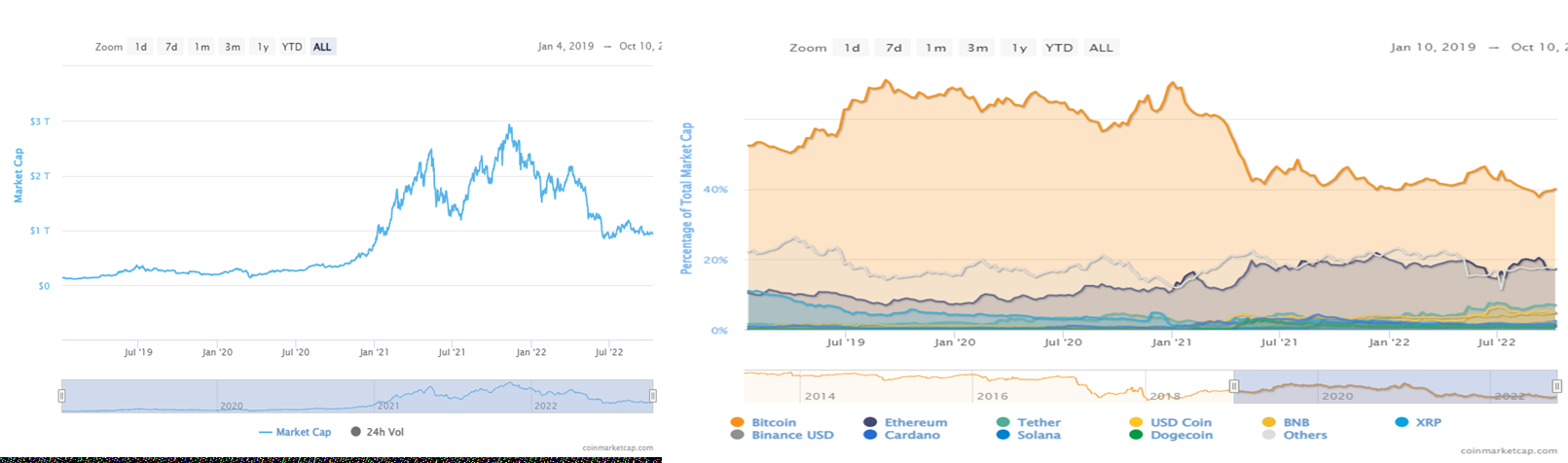
Footnotes
-
Subsequently amended. The latest version of the PIP was approved at the October 2022 Board meeting. (Updated Project Initiation Plan - Intangibles Project.pdf) ↩
-
5.0 Research Project on Intangibles – Draft Report, amended PIP and response to EFRAG .pdf ↩
-
5.0 Research Project on Intangibles – Draft Report, amended PIP and response to EFRAG .pdf ↩
-
5.0 Research Project on Intangibles – Draft Report, amended PIP and response to EFRAG .pdf ↩
-
As noted in Section XX, there was broad consensus that the accounting for intangible assets under IAS 38 fails to provide investors with all the necessary information they need to best allocate capital, thus not supporting the objective of general-purpose financial reporting as laid in the conceptual framework. Any proposed improvements will therefore have to bring the accounting back in line with this objective: "The objective of general purpose financial reporting is to provide financial information about the reporting entity that is useful to existing and potential investors, lenders and other creditors [users] in making decisions relating to providing resources to the entity" (Conceptual Framework, para 1.2). Users need information about the economic resources of the entity and how efficiently and effectively the entity's management have discharged their responsibilities to use the entity's economic resources [stewardship] (Conceptual Framework, para 1.4). As Penman (2009) stated, "Accounting is utilitarian, so the accounting research question is one of developing accounting that handles intangible assets in a way that helps rather than hinders the analyst who wishes to value the firm." (p. 365). ↩
-
This is reflected in the Conceptual Framework: "Accrual accounting depicts the effects of transactions and other events and circumstances on a reporting entity's economic resources and claims in the periods in which those effects occur, even if the resulting cash receipts and payments occur in a different period. This is important because information about a reporting entity's economic resources and claims and changes in its economic resources and claims during a period provides a better basis for assessing the entity's past and future performance than information solely about cash receipts and payments during that period." (Conceptual Framework, para 1.17, emphasis added). ↩
-
A similar view is expressed by Barker et al. (2020, page 2). ↩
-
This resonates with the academic literature: "Intangible assets differ from tangible assets not just because they lack physical appearance but also because they are not identifiable such that contracts can be written on them for delivery. Explicit legal rights like patents and copyrights, and possibly brands, are exceptions (and these are booked to the balance sheet if purchased, as with any other asset), but 'customer relationships', 'organization capital', 'knowledge assets', 'human capital' and the like are not specific enough for a market price ever to be observed for them" (Penman, 2009, p. 359). ↩
-
A view that was shared by several stakeholders is that "a key intangible that should be reflected in the financial statements. There is value in the collective knowledge (assemblage) of the workforce." (Preparer). See paragraphs XX-XX later in this section. ↩
-
For the avoidance of doubt, in this section when we refer to recognising and/or capitalising intangible assets we mean 'internally generated intangible assets'. See paragraphs XX-XX on the recognition of intangible assets acquired externally (either purchased or in a business combination). ↩
-
Mazzi et al., 2019, pg 9 ↩
-
US GAAP prohibits, with limited exceptions, the capitalization of development costs. Development costs are capitalized under IFRS if certain criteria are met. ↩
-
Bill Nixon (1997) The accounting treatment of research and development expenditure: views of UK company accountants, European Accounting Review, 6:2, 265-277 ↩
-
The Conceptual Framework notes that the information provided by measuring assets at fair value may have predictive value (para 6.32) ↩
-
Additionally, an academic stakeholder expressed concerns about the adoption of a fair value model across jurisdictions with different levels of economic and institutional development, a view that emerged from one interview only but we believe is worth flagging because of its broader relevance to IFRS accounting standards: "With regards to measurement I would stay with the cost model. Given the variety of intangibles a strict fair value model would be difficult and costly. Keep in mind that IFRS are used in over 100 countries. They don't have the size of firms, or the international features of firms in London. The average preparer is not a FTSE350 entity. Many of the firms must be small. They will not have the resources to implement a complex standard. A lot of standard setting decisions are driven by very large firms, but we ignore the small firms that must also comply. Emerging markets even more so." (Academic) ↩
-
"Presentation within the income statement is also important, to separate current expenses from investment activity. For example, expenditure that is intended to generate future cash flows, but is too uncertain to be shown as an asset in the balance sheet, should be separated from current expenditure. Similarly, the consequences of the resolution of an uncertainty, including impairments, conveys different information to that in current expenditures." (Barker et al. 2020, pg. 27) "The Institutional Shareholders' Committee (ISC) stated in a 1992 report that its members are not concerned about the accounting treatment of R&D expenditure provided that there is adequate disclosure to differentiate research from development and to evaluate the productivity and effectiveness of the expenditure. Fifty-four per cent of respondents agreed that the more information provided on R&D expenditure the less important is the issue of accounting treatment although a significant minority (35%) disagreed." (Nixon, 1997, p. 273) "The majority of financial directors and senior company accountants do not associate any economic consequences with the treatment of R&D expenditure. For them disclosure of information is the key factor determining the value that the capital markets attribute to a company's R&D expenditure rather than its treatment; the tension between the prudence versus accruals concepts that preoccupy the accounting standard-setters is, in the view of respondents to this survey, of little relevance to their R&D accounting." (Nixon, 1997, p. 274) ↩
-
Currently, only the government of El Salvador considers Bitcoin as legal tender. ↩
-
See the work of Joseph Lee on the topic, such as Lee (2022), Lee (2020), Lee (2018). ↩
-
Doyle, P. (2001). Building value-based branding strategies. Journal of Strategic Marketing, 9(4), pp.255-268. doi:10.1080/09652540110079038. ↩
-
Madden, T., Fehle, F.R. and Fournier, S.M. (2002). Brands Matter: An Empirical Demonstration of the Creation of Shareholder Value Through Brands. SSRN Electronic Journal. doi:10.2139/ssrn.346953 ↩
-
Hughes, M., Hughes, P., Yan, J.K. and Sousa, C.M.P. (2018). Marketing as an Investment in Shareholder Value. British Journal of Management. doi:10.1111/1467-8551.12284. ↩
-
Fornell, C., Mithas, S., Morgeson, F.V. and Krishnan, M.S. (2006). Customer Satisfaction and Stock Prices: High Returns, Low Risk. Journal of Marketing, 70(1), pp.3-14. doi:10.1509/jmkg.2006.70.1.3. Kerin, R.A. and Sethuraman, R. (1998). Exploring the Brand Value-Shareholder Value Nexus for Consumer Goods Companies. Journal of the Academy of Marketing Science, 26(4), pp.260-273. doi:10.1177/0092070398264001. Vijn, P. and Verbeeten, F. (2006). Do Strong Brands Pay Off? An Empirical Investigation of the Relation Between Brand Asset (TM) Valuator and Financial Performance. SSRN Electronic Journal. doi:10.2139/ssrn.896703. ↩
-
Thum-Thysen, A., Voigt, P., Bilbao-Osorio, B., Maier, C. and Ognyanova, D. (2019). Investment dynamics in Europe: Distinct drivers and barriers for investing in intangible versus tangible assets? Structural Change and Economic Dynamics, 51, pp.77-88. doi:10.1016/j.strueco.2019.06.010. ↩
-
Goodridge, P., Haskel, J. E., & Wallis, G. (2014). Estimating UK Investment in Intangible Assets and Intellectual Property Rights ↩
-
Damodaran, A. (2007). Dealing with Intangibles: Valuing Brand Names, Flexibility and Patents. SSRN Electronic Journal. doi:10.2139/ssrn.1374562. ↩
-
Penman, S.H. (2009). Accounting for Intangible Assets: There is Also an Income Statement. SSRN Electronic Journal. doi:10.2139/ssrn.1916314. ↩
-
Shah, S.Z.A., Akbar, S., Ahmad, S. and Stark, A.W. (2019). Advertising, Earnings Prediction and Market Value: An Analysis of Persistent UK Advertisers. British Journal of Management. doi:10.1111/1467-8551.12378. ↩