UKEB IFRS 17 User Survey – summary of findings
UKEB May 2021
The views expressed in this presentation not necessarily those of the Endorsement Board, nor are they necessarily reflective of any official policy or position.
1. User outreach approach
Broad Approach
- Engagement with EFRAG and review of their IFRS 17 User outreach findings
- Desk top assessment of User related publications
- Feedback from UKEB IFRS 17 TAG members
- Targeted engagement of analysts, rating agencies, representative bodies, auditors and regulators
Wide Engagement
- 6 analysts and 2 rating agencies interviewed
- 2 User representative organisations (CFA and IA) engaged
- Targeted communications with 58 specialist insurance & general analysts
21 Responses
- 15 Analysts
- 2 Investor Associations
- 2 Rating Agencies
- 2 Other
2. Users' overall perspective
Most users consider that accounts prepared under IFRS 17 will represent an overall improvement over current accounting.
'The most important step for IFRS 17 is that everyone agrees it is a "standard" that SHOULD be applied consistently. With enough good disclosure, consistency and best practice should be enforced over time.'
'It will be an improvement long-term. Near-term it will create plenty of confusion as well!'
A five-star rating system visually represents "User Rating 3.7 out of 5", indicating a position between "No improvement" and "Significant improvement". Four stars are filled, one is empty.
'Looking forward to just getting this done an endorsed as soon as possible, because that is when the real work and analysis can begin'
'Accountants have failed throughout history to link financial reporting to industry dynamics, this is going to be more of the same.'
'Could you wait until after I retire for its implementation? (ten years?)'
3. Anticipated benefits to users
Most significant as ranked by Users
- Consistent revenue and profit recognition
- Detailed disclosure of key assumptions and estimates used
- Measurement principles being closer to Solvency II
- Splitting out underwriting and investing results
- Identification of onerous contracts
19/21 Optimistic about the realisation of the proposed benefits of IFRS 17
4. User awareness and engagement with insurers
16/21 IFRS 17 is significant or has moderate significance BUT 11/21 No specific communications or little information provided from the insurance company.
'What will earnings look like and what KPIs will you track.'
'What are the material changes, if any, in income statement lines arising from implementing IFRS 17?'
'How will the changes impact capital generation and reserving?'
A pie chart illustrates user familiarity with IFRS 17 changes: * Familiar with expected changes: 47% * Basic awareness: 48% * Little familiarity: 5%
'allow for a lot of judgment...going to be challenging...'
'Companies not being forthcoming...still very much in the dark'
5. Implementation impacts for users
Users anticipate some significant operational changes but with limited implementation and ongoing costs.
A pie chart titled "Do you anticipate your organisation incurring any significant operational changes to adapt to IFRS 17?" illustrates responses: * No significant operational changes: 31% * Technology / Systems: 24% * Data: 18% * Staff: 12% * Processes and procedures: 6% * Don't know: 6% * Other: 3%
14/21 anticipated no significant implementation costs 1
18/21 anticipate no significant on-going costs
14/21 view insurers' implementation costs as significant
6a. Attractiveness of the insurance industry
A horizontal bar chart titled "Will the insurance sector become more attractive and accessible to general investors?" shows responses: * Don't know: 2 responses * Less: 2 responses * No more or less: 9 responses * Moderately more: 8 responses * Significantly more: 2 responses
18/21 agree that financial statements of insurers will be more comparable
19/21 agree that the industry will continue to be challenging for non-specialist investors
6b. Transition and products
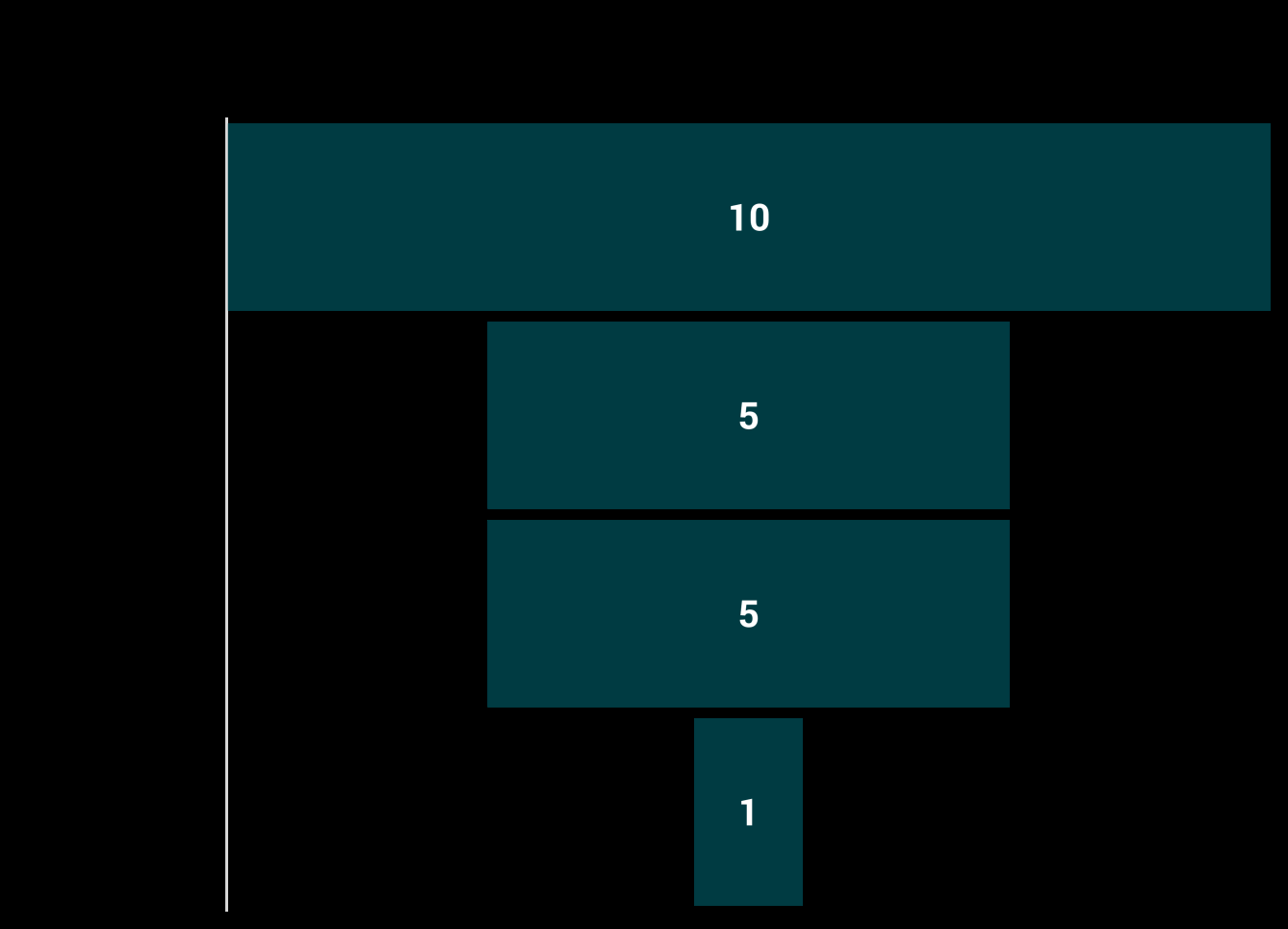
Users were split on whether the transition options will impact comparability. In addition, half of users anticipated insurers may change both product and pricing strategies.
User Perspectives
Product Strategy
Annuities, Long-tail Life and Guarantees may be impacted due to the requirement to match the profit to the term of these product.
Product Pricing
Separate disclosure and immediate recognition of onerous contracts may lead to insurers seeking to reduce these contracts, possibly through price adjustments.
6c. Key metrics
When assessing insurance companies' financial performance, respondents 2 advised that capital generation/solvency or a mix of metrics were the most commonly used while return on equity was the least used.
- CAPITAL GENERATION & SOLVENCY: 9/19
- MIX OF METRICS: 7/19
- RETURN ON EQUITY: 3/19
6d. Valuations
All Users noted that there would be changes in how they assess and value insurers, but these would be moderate.
'Will avoid any over-reliance on IFRS 17 metrics until the assumptions behind the new data becomes clear and is proved over time.'
'Approach based loosely on current IFRS reporting metrics, but with input from other metrics.'
A pie chart titled "Do you anticipate any changes in how you currently assess/value insurers?" shows responses: * Moderate: 16 responses * Significant: 3 responses * Minor: 2 responses
'Potential for analysing and applying a multiple to CSM, or adding CSM back to equity to get an adjusted equity, and measuring growth.'
'We may discover factors relevant to valuation: e.g. the prudence of reserves'
6e. Credit ratings
Thirteen users anticipated that insurance companies' credit ratings could be impacted.
'there will be a time lag between the initial issue of first IFRS 17 results and how the markets perceive them,...hence potentially ratings may settle in the medium term.'
'accounting change should not change the underlying economics of the business, which is what ratings capture.'
A pie chart titled "Could IFRS 17 impact insurers ratings? If so, when do you think this may occur?" shows responses: * No Change: 8 responses * Medium Term: 7 responses * Near Term: 4 responses * Longer Term: 2 responses
'earnings power will change with greater comparability and understanding of profit emergence - particularly the CSM which becomes a source of future profit.'
"SII is effectively an alternative standard and so IFRS can change and it causes no material change in how users view insurers' capital generation capacity."
6f. Cost of capital
Ten users anticipate no material change while ten anticipated a change in the cost of capital for Insurers. The majority, fourteen, anticipated that Life companies could be the most impacted.
A horizontal bar chart titled "Is the cost of capital for insurers likley to change with the implementation of IFRS 17?" shows responses: * No material change - remain driven by Solvency II and cash flows not accounting rules: 11 responses * Increase (short term) due to lack of investor familiarity & perception of profit volatility: 6 responses * Reduce due to increased transparency and comparability: 4 responses * Don't know: 2 responses
A pie chart titled "If there were a change in the cost of capital which type of insurers do you think may be impacted?" shows responses: * Life: 14 responses * None: 4 responses * General: 1 response * Reinsurers: 1 response * Other: 1 response
6g. Competition
Most Users did not perceive any significant domestic or international disadvantages to UK Insurers, were IFRS 17 to be adopted for use in the UK.
'Annuity providers in particular will need to show non-GAAP metrics to avoid negative effects to their share prices.'
'UK non-life insurers may see some increased volatility, but could benefit due to better explanation of profit emergence - so neutral overall. Plus still a focus on OCG under Solvency II'
A clustered bar chart titled "Perception of significant competitive disadvantages" compares "International" and "Domestic" perspectives across four categories: * Yes: International (0), Domestic (3) * No: International (14), Domestic (14) * No Change: International (2), Domestic (2) * Don't Know: International (2), Domestic (2)
'Most large international groups that are active in the UK market (particularly for retail insurance) are European will also have to adopt IFRS17'
'Everyone (even US GAAP) is moving in the direction of a more risk adjusted / market consistent accounting framework.'
The views expressed in this pack are not necessarily those of the UK Endorsement Board, nor are they necessarily reflective of any official policy or position. This publication forms part of the UK Endorsement Board's outreach activities in relation to the endorsement of IFRS 17 Insurance Contracts.
Should you be interested in being involved further with the endorsement process, please contact us at: [email protected]